What to eat in Bratislava
What to Eat in Bratislava: Best Local Food & Drinks
Bratislava may be one of Europe’s smallest capital cities, but when it comes to food, it delivers big flavors. The regional cuisine is very diverse, due to proximity of Bratislava to Vienna and Budapest. It does not only consist of typical Slovak cuisine that largely contains potatoes, cabbage, pork and cheese. Bratislava has always been a multicultural city, hence the local cuisine is a symbiosis of particularly Slovak, Austrian and Hungarian culinary traditions. Today, one can enjoy the extra touch of flavours from countries further afield. If you’re visiting the city, tasting local food is not just about eating — it’s about experiencing Slovak culture.
🥟 Traditional Slovak Food You Must Try
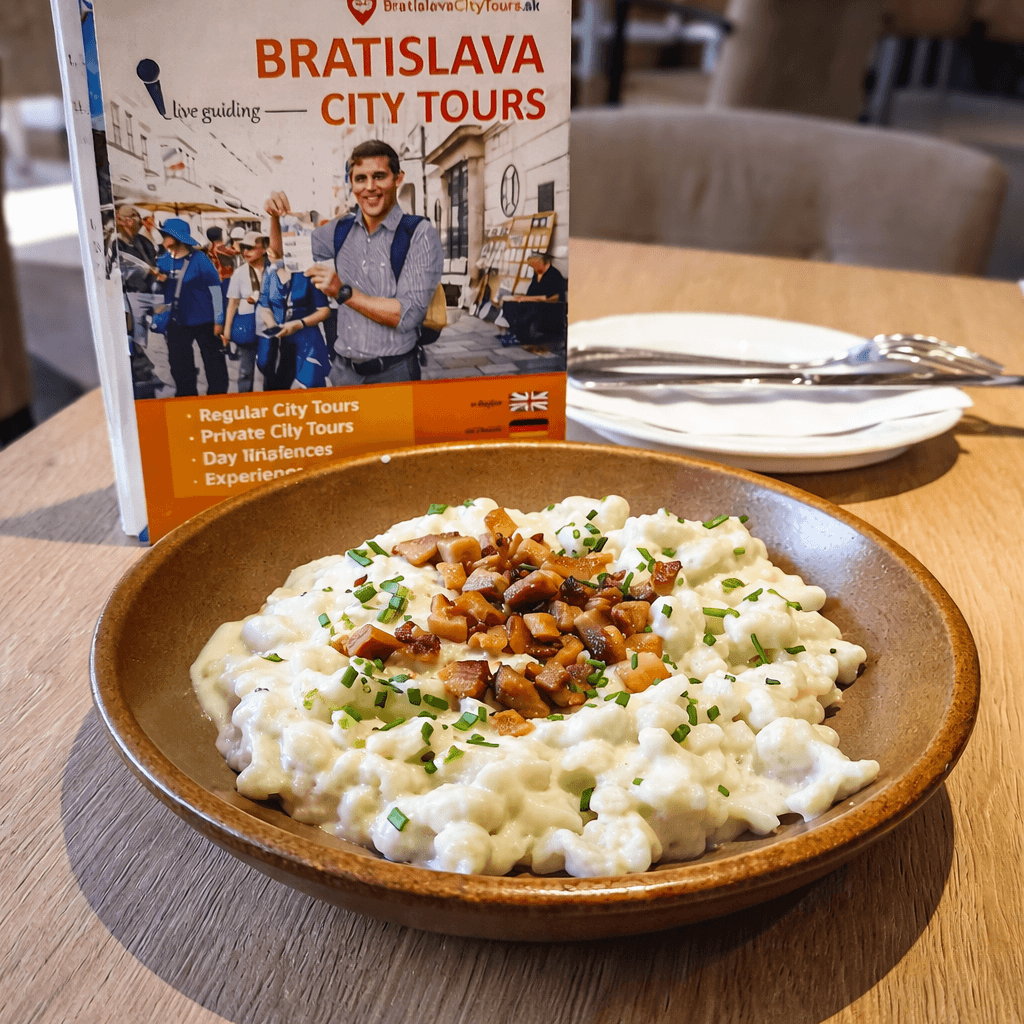
Bryndzové halušky
If you ask any Slovak to name the Slovak National Dish, the unanimous answer would be Bryndzové halušky. The dish comes originally from Slovak mountains. It has become quite divisive: some love it, some loathe it. Bryndzové halušky are the Slovak type gnocchi from potatoes with sheep cheese and bacon. They are boiled and served hot with the tradition sheep cheese called bryndza topped up with pork scratchings. Some add sour cream. Our clients booking a day trip from Vienna to Bratislava with lunch have Bryndzové halušky as main course.
Roast Goose, Goose Liver and lokše
This is a typical autumnal dish. It is quite tricky to properly roast a goose or duck, so family recipes are fiercely protected by the chefs. Goose liver is served as a delicious starter. The most common accompaniment to the goose is potato pancakes called lokše. They resemble pancakes, but are savoury and are made of boiled potatoes. The Small Carpathian Wine Route is famous thanks to this dish.
Schnitzel (Rezeň)
An original recipe from Vienna is equally popular in neighbouring Bratislava. Tenderised meat (the original recipe uses veal, but in Slovakia is popular also pork or even chicken) is dressed in flour, then whipped egg and finally in bread crumbs. The schnitzel is then fried in oil. Its most common accompaniment is potato salad, though boiled or roast potatoes are also common. Schnitzel is festive dish of Slovakia.
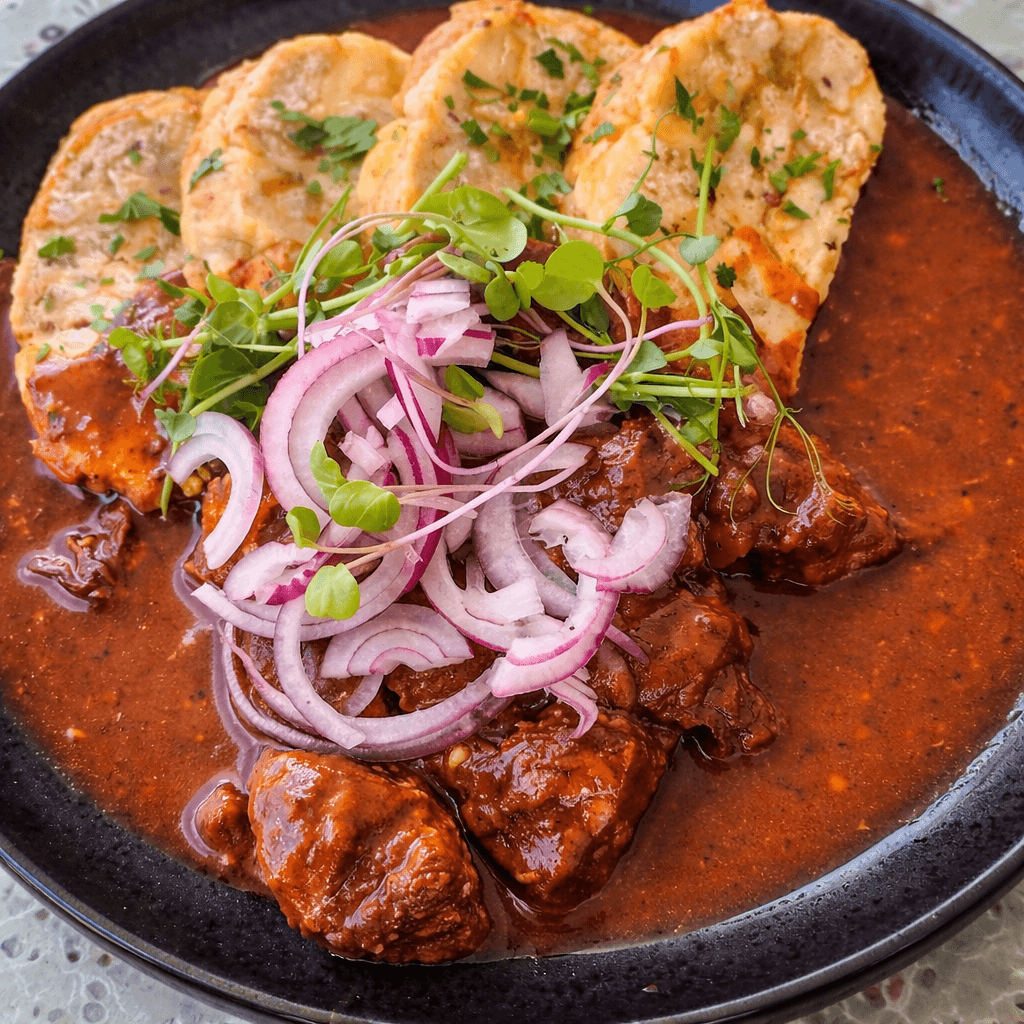
Goulash (Guláš)
Given the range of ethnicities that used to be home in Bratislava, it comes as no surprise that different culinary cultures have made themselves home here. Pork or beef, onion, garlic, spices and especially dried chilly make the foundation of typical stew, guláš, originating in Hungary. In Slovakia we have several kind of goulash, very popular is Seged Goulash, with cabbage and flour dumplings.
Fried Cheese
A popular dish that is gradually acquiring the status of Slovak National dish. It is served virtually in every restaurant and fast food kiosk. It is most often made of slices of edam that are coated in flour, eggs and bread crumbs to be fried in oil. It is served with potatoes salad or boiled potatoes and tartar sauce.
Cabbage Soup (Kapustnica)
Hardly any Slovak Christmas or New Year’s Eve table can miss kapustnica. This thick soup is made from sauerkraut which is boiled together with sausage, dried mushrooms and prunes, plus a range of other goodies depending on particular family recipe. It is often served with bread. The recipe of Kapustnica is different in every Slovak region.
Broth
The typical soup of the Slovak weddings. Also you can not imagine Sunday lunch without the traditional chicken or beef broth. Its typical flavour comes from the root vegetables and thin noodles.
Pirohy
A typical dish from the mountains is based on pasta that is made from boiled potatoes and flour. Pirohy are filled with bryndza, boiled and served hot with cream sauce, topped up with dill and possibly fried scratchings.
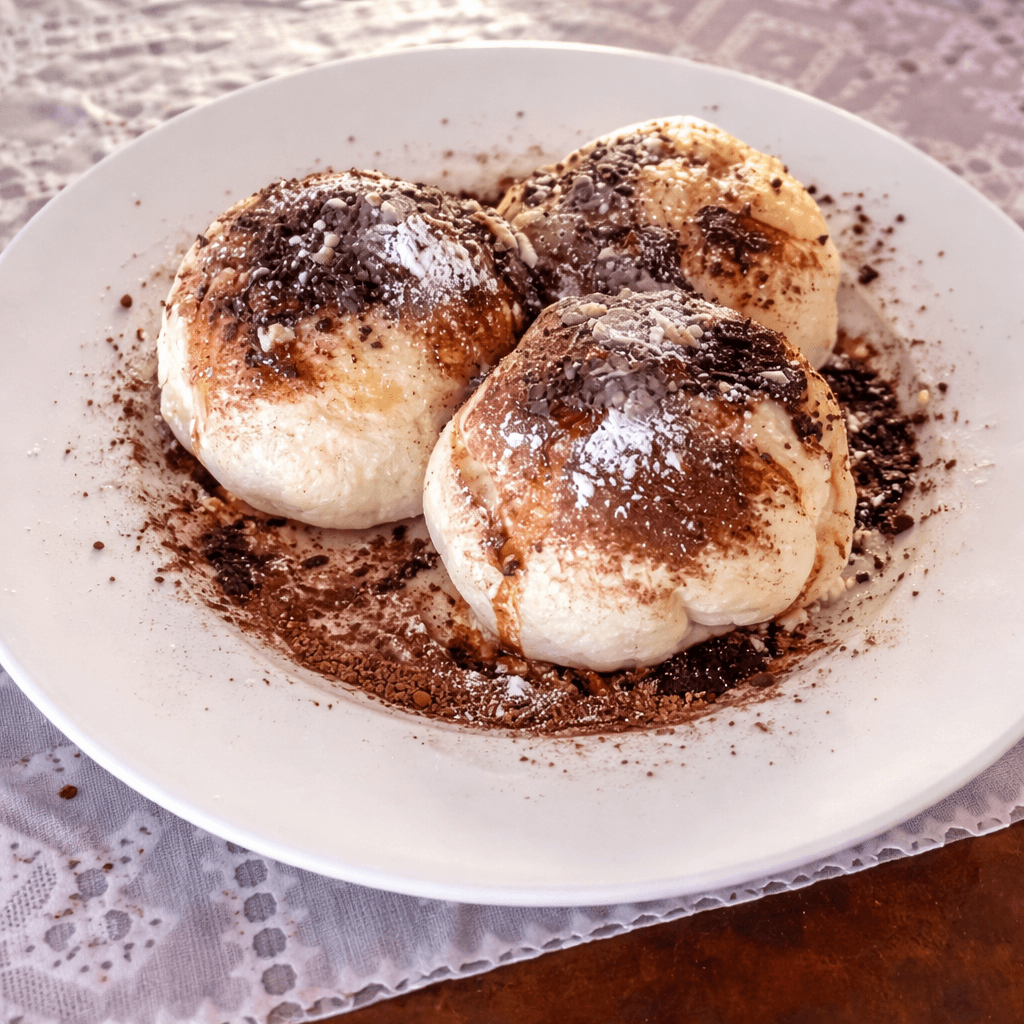
Steamed buns
Those who like sweet dishes should certainly try steamed buns. They are made of sour dough filled with jam or fruit and then steam-boiled. The final dish is served hot, topped up with cocoa powder and melted butter. The topping, however, can also be made from ground nuts, milled with poppy seeds or quark cheese.
Bratislava Rolls
The well-known Bratislava rolls are small crescent shaped pastries that acquired fame at home and well beyond the city across Austro-Hungarian Monarchy. The pastries are made of sourdough generously filled with walnut or poppy seed filling which is boiled and makes over half of the roll. The flavour is outstanding and remains fresh for some time. Our tip is to taste original Bratislava roll at Spusta Cafe next to Main Square.
Typical Drinks
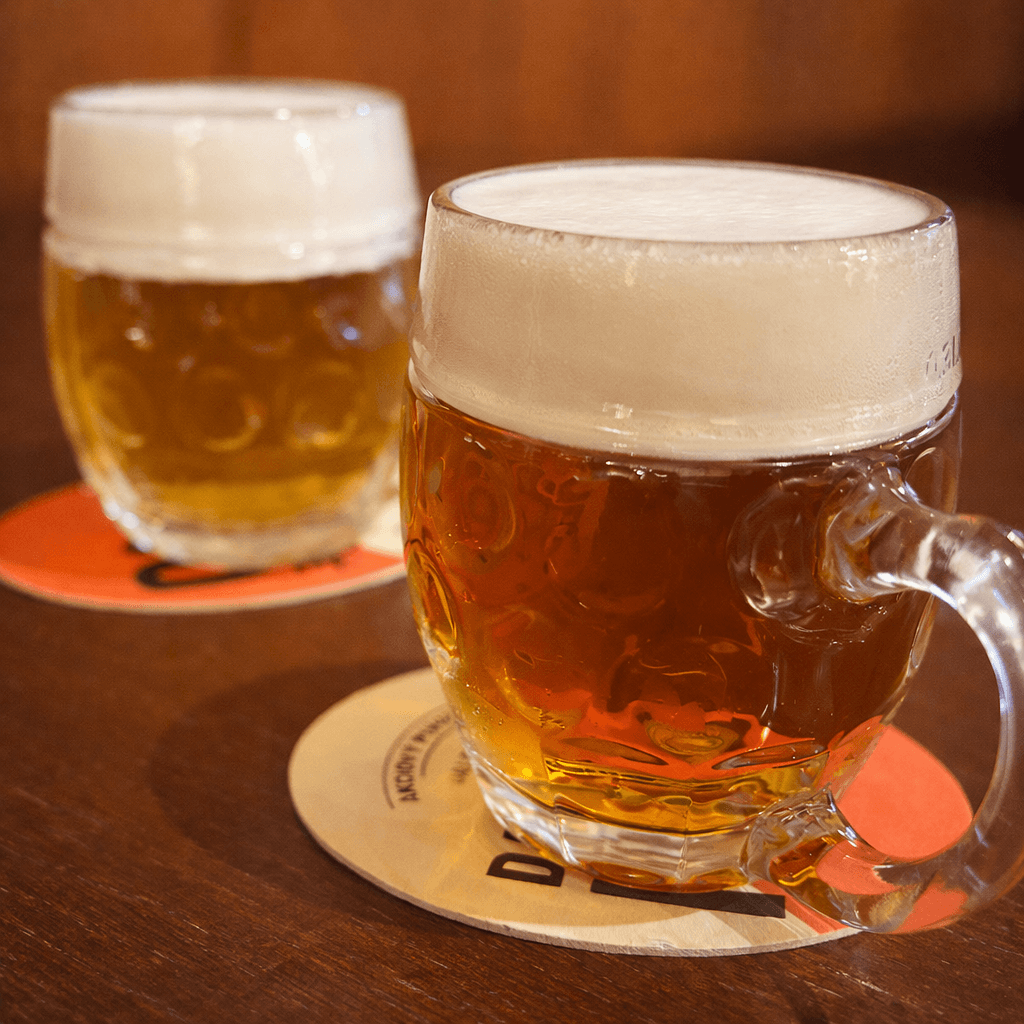
Beer
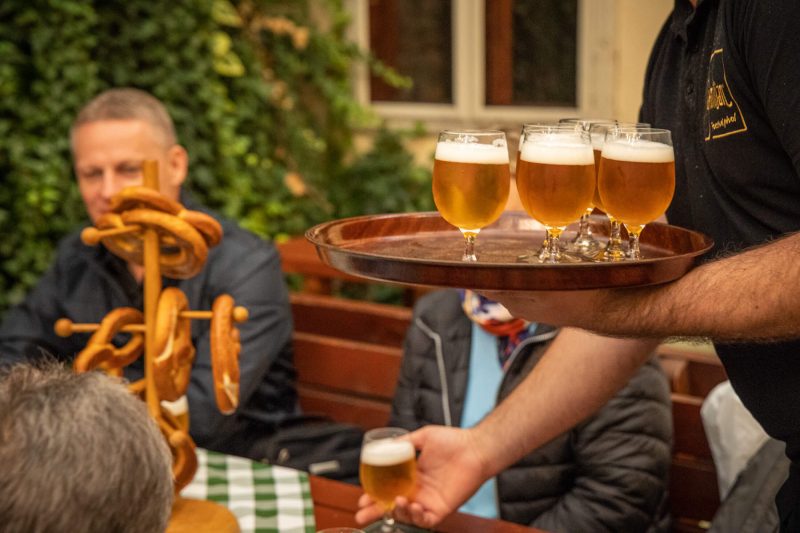
Beer is drunk in abundance in Slovakia and it has been brewed in Bratislava since times immemorial. Draft beer is served in every restaurant, or pub. The most popular are the Slovak and Czech marks. The best known Slovak labels are Šariš, Corgoň, Smadný Mních, Zlatý Bažant, Urpiner. In the recent years are very popular specialty beers from the small local microbreweries. In Bratislava we recommend either Sladovna Beer House or Flagship Restaurant.
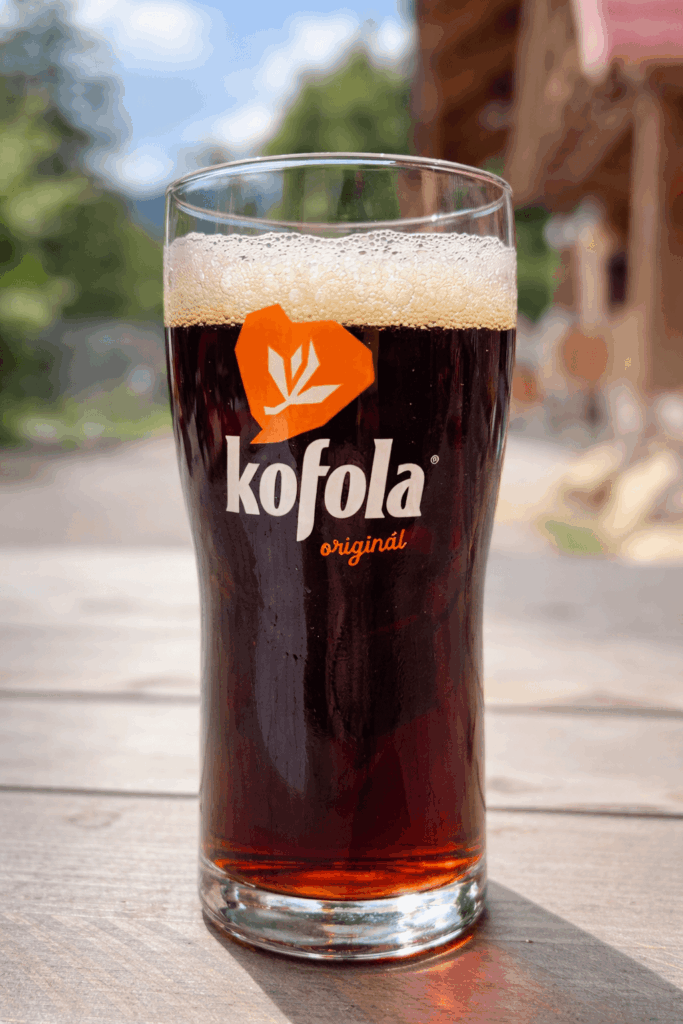
Kofola
This soft drink is somewhat resembling Coke dates to the Communist regime when the availability of American cola drinks were limited behind the Iron Curtain. The order to develop the drink was issued in 1950s. After the invention of the Kofo syrup, the drink was introduced to the Czechoslovak market in 1962. Today the drink enjoys renaissance and is highly popular particularly among the youth. You should definitely try it out, but do make sure you go for the original. It is served on tap similarly to beer.
Vinea
The non-alcoholic drink that resembles fizzy wine is made from natural grape cider. Vinea was first made in 1973 by winemakers in the city of Pezinok and was introduced to the market a year later. It is healthy, refreshing and is made in three flavours.
Mead (Medovina)
The mead is alcoholic beverage made by fermenting a honey solution. The mead is made by traditional technique and contains about 13% of alcohol. In winter is often served hot similarly to mulled wine. Slovak meads often score high in international competitions.
👉 Book our Honey & Mead Tasting Experience in Bratislava
Wine
The tradition of viticulture in Bratislava is several centuries old. The nearby vineyards and winemaking towns are still major wine producers. Lemberger/ Frankovka from the city district Rača has become the prime wine among Slovaks and has received a number of award. The Rača Lemberger was used by the people of Bratislava also for medical purposes. In winter mulled wine with cinnamon and cloves is highly popular: the spice give the wine a characteristic flavour and scent. It is a typical drink of Bratislava Christmas Markets.
💡Frankovka Modrá / Rača Lemberger was a favorite wine of Empress Maria Theresa. Legend has it that every time she drank Frankovka Modrá, she became pregnant. Altogether, she had 16 children, so she must have drunk a lot :)
Typical wine varietes:
- Gruner Veltliner/ Zelený Veltlín – is a fundamental and key variety in the Little Carpathian Wine Region. The wine is fresh with a subtle fruity flavour. It has a higher proportion of acids and has a good potential for long archiving.
- Neuburg – a white variety is widespread especially around Bratislava and Pezinok. It makes fine wine.
- Devín – the variety emerged in 1958 by crossing Red Traminer with Red and White Veltliner in Bratislava. It has spicy aromas of Traminer and nutmeg.
- Lemberger/ Frankovka Modrá – with ruby colour and the taste of cinamon it is the most typical Slovak wine.
- St. Laurent/ Svätovavrinecké – is a typical red variety with intense colour and higher acidity, the scent of which resembles prunes.
- Danube/ Dunaj – red variety achieved by triple crossing in Bratislava. It is only grown in Slovakia and marginally also in the Czech republic.
- Cabernet sauvignon – red variety originally from France is increasingly acquiring popularity. It characteristic scent is that of black currants
- Devin Currant Wine / Devínsky Ribezliak – a unique sweet currant wine typical of the Bratislava district of Devín, made from black currants.
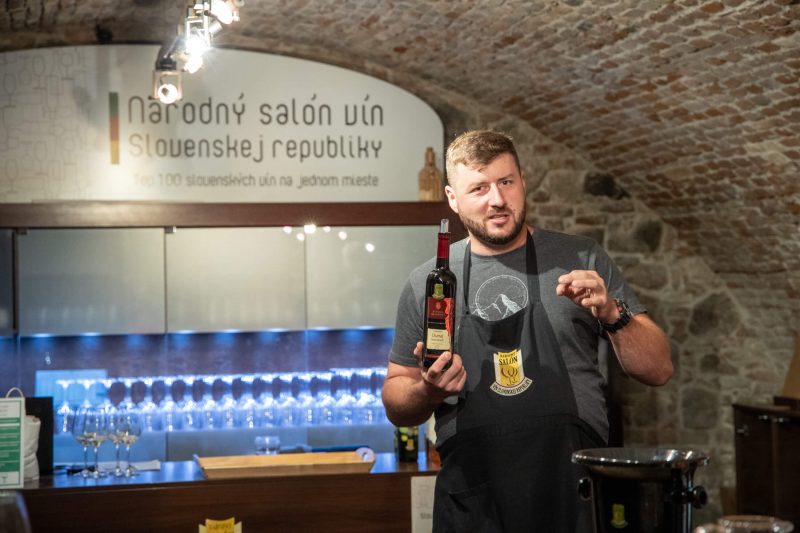
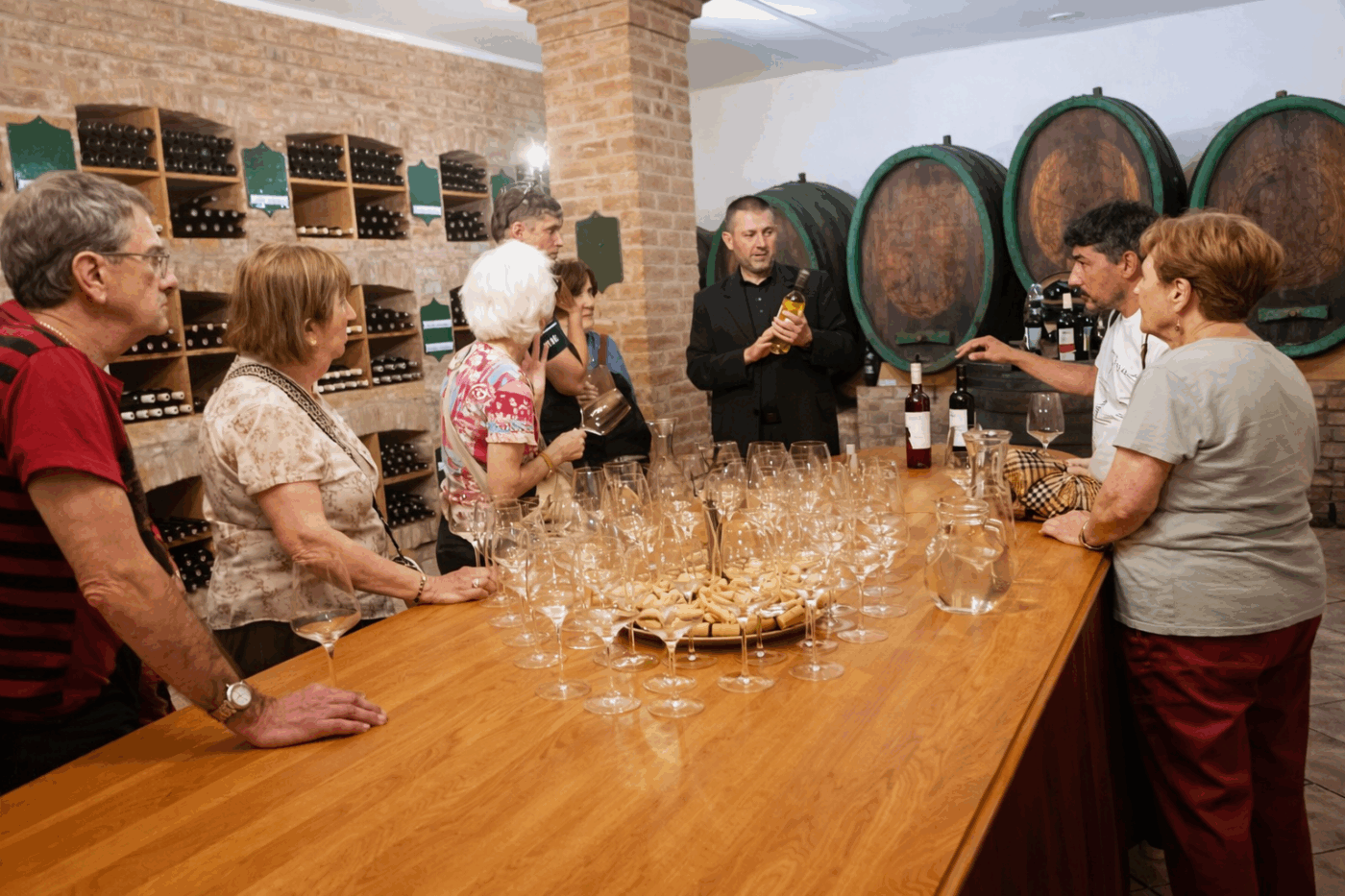
Want to experience Slovak wines with an expert guide? Try our wine tasting with sommelier in Bratislava — taste up to 80 top Slovak wines in the historic Apponyi Palace cellar.
Destillates
Alcohol beverages are used in Slovakia to toast often and everything. The best known Slovak distillate is Slivovica. It is made by fermenting ripe plumps, followed by distillation and water treatment. It usually contains 52% of alcohol. Well known is brand Bošácka Slivovica.
Distilled beverages are also made from other fruit which then gives name to the drink. Alcohol content in those distilled brandies is also 52%. Borovička, traditional Juniperus Brandy is traditional alcoholic drink from the Slovak mountains. It is made of juniper berries. The best known is one from Spiš region, called Spišská Borovička.
Ask any Slovak and they’ll tell you without hesitation — bryndzové halušky. These soft potato dumplings are smothered in sharp bryndza sheep cheese and topped with crispy bacon bits. It’s the kind of dish that divides people, but you really have to try it at least once.
Not at all, and that’s what makes it so interesting. Bratislava has always sat at the crossroads of Slovak, Austrian and Hungarian cultures, so you’ll find schnitzel on the menu right next to goulash and bryndzové halušky. The food scene reflects the city’s long multicultural history.
Beer is a safe bet — Slovak and Czech draft lagers are excellent and widely available. But don’t leave without trying Kofola, the local herbal cola that’s been a cult favourite since Communist times. Wine lovers should seek out Frankovka Modrá from nearby Rača — it was reportedly a favourite of Empress Maria Theresa herself.
Absolutely. Try parené buchty — fluffy steamed buns filled with jam and dusted with cocoa or poppy seeds. And don’t miss the famous Bratislava rolls, crescent-shaped pastries packed with walnut or poppy seed filling. The best ones are at Spusta Cafe near the Main Square.
Honestly, any time — but autumn is special. That’s when roast goose with potato pancakes (lokše) appears on menus across the city, and the Small Carpathian wine villages come alive with harvest celebrations.