Slovak Wine: A Beginner’s Guide to What You’ll Actually Taste in Bratislava
Slovak Wine Guide 2026
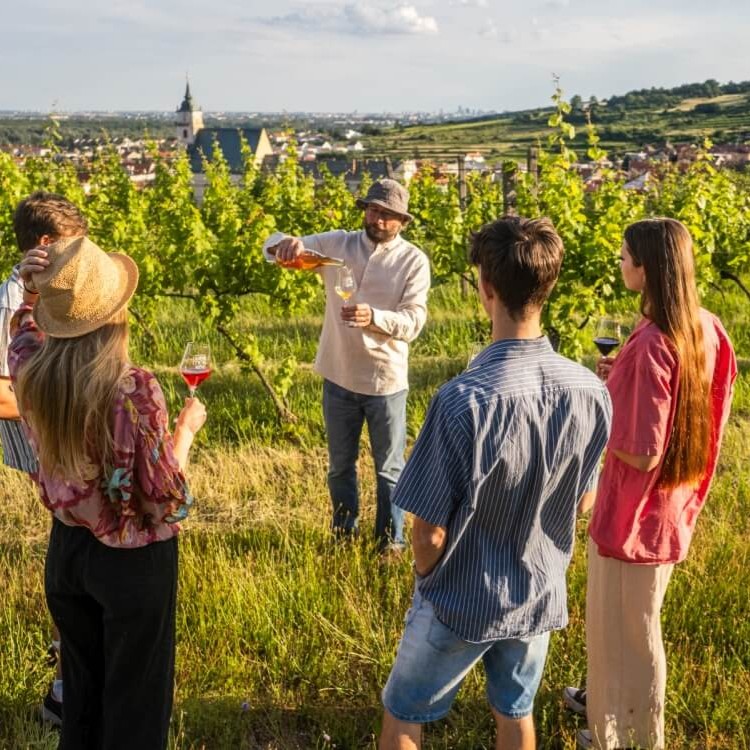
Most travelers discovering Slovakia don’t even know it’s a wine country. That’s understandable—almost none of its wine is exported, and Slovakia isn’t as well-known as a wine country compared to Italy or France. The vast majority of Slovak wine stays in Slovakia, enjoyed by locals who love it. Tasting it here—surrounded by vineyards on the foothills of the Small Carpathian Mountains—is an experience unlike any other.
This wine guide is for anyone who wants to walk into a wine tasting in Bratislava feeling prepared rather than lost. You will learn which regions to know, what grapes you are likely encounter, how the Slovaks classify their wines from dry to sweet, and what to actually expect when you raise that first glass.
A quick answer: What is Slovak wine like? It is predominantly white, dry, and cool-climate in character. The most widely planted varieties are Grüner Veltliner and Welschriesling for whites, and Rulandské modré (Blaufränkisch) for reds. Exceptional quality can also be found in Slovak rosé wines, whose freshness and vibrancy are enhanced by the gradually warmer summers. Slovak wines are generally fresh, mineral-driven, and very food-friendly, with a style closer to Austrian wines than New World wines. The only exception is the small part of the Slovak Tokaj region in the east, which produces lusciously sweet wines of world-class reputation.
Why Slovak wine is worth your attention
Slovak wine tradition back to Roman times. The oldest evidence of winemaking in the Small Carpathian Region pre-dates the Romans by 400 years, and written records of grape growing around Bratislava stretch back to the late 10th century. The 18th century was a “golden era” of viticulture in Slovakia. Slovakia had over 72,000 hectares of vineyards and cultivated 90 different varieties of wine.
The beginning of the 20th century was disastrous for Slovak wine culture. Phylloxera at the end of the 19th century wiped out most vineyards, and communist-era nationalization prioritized quantity over quality. Since 1989, private ownership has returned, and Slovak winemakers have gradually rebuilt the industry, introducing quality-controlled appellations in 2009 and earning recognition at prestigious international competitions ever since.
Today in Slovakia are more than 15,000 hectares of vineyards. Slovakia produces wines that punch well above their weight. The fact that almost none of it leaves the country is your opportunity: here, you can taste things that most of the world simply does not have access to.
Most famous Slovak wine brands include:
The 6 Slovak Wine Regions
Slovakia is divided into six wine-growing regions, all concentrated in the warmer south and southwest of the country – along the borders with Austria and Hungary, where the climate is most favourable for viticulture.
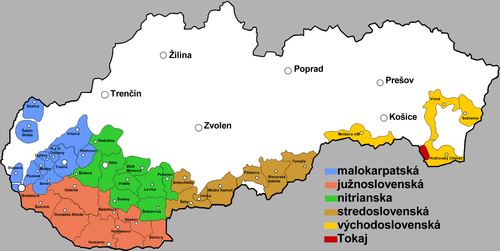
1. Small Carpathian Wine Route (Malokarpatská vínna cesta)
The most important wine region of Slovakia stretches from Bratislava’s Rača district to the city of Trnava, about 50 km east of Bratislava. The vineyards sit on south-facing slopes with sandy loam and rocky soils, producing wines that are elegant, mineral-driven, and aromatic. If you taste only one Slovak wine while in Bratislava, there’s a 95% chance it will come from this region. Rosé wines are especially popular here, particularly during the summer months.
This region is also famous for its traditional goose and duck feasts, enjoyed from September through Christmas. The typical menu features roasted goose or duck served with red cabbage and a potato pancake called “lokša,” perfectly complemented by local wine.
Wines to expect: Grüner Veltliner, Welschriesling, Frankovka modrá, Svätovavrinecké (St. Laurent).
2. Southern Slovak Wine Region (Južnoslovenská vinohradnícka oblasť)
Located southeast of Bratislava on the “Danube Island” called Žitný Ostrov, this is the southernmost and warmest wine region in Slovakia, enjoying more sunshine and heat than anywhere else in the country. The region features clay-rich plains and alluvial terraces along the Danube River.
These conditions are ideal for cultivating grapes suited for high-quality red wines, such as Cabernet Sauvignon, which requires a longer growing season. While no major producers are based here, all key makers of quality red wines either purchase grapes from this region or maintain their own vineyards here.
Wines to expect: Grüner Veltliner, Welschriesling, Frankovka modrá, Pinot Noir, Cabernet Sauvignon.
3. Nitra Wine Region (Nitriansky vínny región)
One of the oldest and most colourful wine regions in Central Europe, with archaeological evidence of viticulture dating back to the famous days of the Great Moravian Empire in the 9th and 10th centuries.
This wine region is shaped by the rivers Vah, Nitra, Hron, and Zitava, as well as the mountains Povazsky and Pohronsky Inovec, Tribec, and the peaks Zobor and Sitno. All of these define the soil structure and create a unique microclimate. Four wine towns—Nitra, Toplcianky, Vrable, and Sered—are located in this region. It is also home to one of Slovakia’s leading wine producers, Château Topolcianky. Wines from the cooler, hillier north tend to have more acidity and freshness; those from the Danube lowlands in the south are richer and rounder.
Wines to expect: Pinot Blanc, Pinot Gris, Müller-Thurgau, Frankovka modrá.
4. Central Slovakia (Stredoslovenská vínna oblasť)
The Central Slovakia wine region is defined by table mountains and wine mountains. In the south of Central Slovakia, the vineyards face directly toward the sun. The climate and soil structure are once again unique, producing wines that are young and vibrantly fresh—a true legacy of the region. Compared to the Southern Slovak Wine Region, these vineyards are at higher altitudes. Wines from this region pair perfectly with food and age gracefully. It is a paradise for those who prefer white wines.
Wines to expect: Welschriesling, Riesling, Frankovka modrá, Pinot varieties.
5. Eastern Slovakia (Východoslovenská vínna oblasť)
Located on the foothills of the Vihorlat Mountains, this extinct volcano frames the youngest Slovak wine region. The wines of this region are influenced by the continental climate of the Russian and Ukrainian steppes, as well as volcanic soils. The area is notably sunny and dry. The east boasts successful wines from the Pinot family, along with some exciting indigenous varieties.
The Dunaj grape (Danube grape)—developed in Slovakia from Blaufränkisch and St. Laurent—is a red worth seeking out: dark-fruited, herbal, and distinctly Slovak.
Grapes developed in Slovakia are often named after rivers such as Dunaj, Váh, and Hron (typically red varieties), while Devín or Breslava (Bratislava), named after castles, are white varieties.
6. Tokaj (Tokajská vínna oblasť)
It is the smallest wine region in Slovakia, but probably—thanks to the fame of the Hungarian part of the Tokaj region—the most well-known. The Slovak Tokaj region borders its Hungarian counterpart and shares the same volcanic soils, grape varieties, and winemaking traditions.
Long autumns and morning fog from the Bodrog and Tisza rivers encourage noble rot on the grapes—the same phenomenon that produces some of the world’s greatest sweet wines. Slovak Tokaj is a “closed” region: wines must be produced from locally grown grapes and bottled within seven specific villages.
The most famous winemakers of Slovak part of Tokaj Region are:
Slovak part of Tokaj region is located close to the second biggest Slovak city Košice and it is the ideal region for one day trips from Košice.
The grape varieties you’ll actually encounter
You don’t need to memorise everything. But knowing three or four key varieties before your tasting will make the sommelier’s commentary click into place. Here are the ones you’re most likely to be poured.
- Grüner Veltliner (Veltlínske zelené) — the most planted variety of all, is a fundamental and key variety in the Small Carpathian Wine Region. The wine is fresh with a subtle fruity flavour. It has a higher proportion of acids and has a good potential for long archiving.
- Neuburg – a white variety is widespread especially around Bratislava and Pezinok.
- Frankovka modrá (Blaufränkisch) — the red to know, with ruby colour and the taste of the cinnamon it is the most typical Slovak wine.
- St. Laurent (Svätovavrinecké) – is a typical red variety with intense colour and higher acidity, the scent of which resembles prunes.
- Danube (Dunaj) – red variety achieved by triple crossing in Bratislava. It is only grown in Slovakia and marginally also in Czech Republic.
- Devin (Devín) — the homegrown Slovak original. Emerged in 1958 by crossing Red Traminer with Red and White Veltliner in Bratislava. It has spicy aromas of Traminer and nutmeg.
- Furmint — the Tokaj grape. The signature variety of the Tokaj region on both sides of the Slovak-Hungarian border. In its dry form it’s steely and mineral with high acidity; in the noble-rotted sweet versions it becomes rich, honeyed, and complex. You’re unlikely to encounter it outside the Tokaj program, but it’s one of the most distinctive wines in Slovakia.
- Cabernet sauvignon – red variety originally from France is increasingly acquiring popularity. Its characteristic scent is that of black currants.
Understanding the sweetness scale: from dry to sweet in Slovak wine
Slovak wine labels use the same sweetness classification system as Austria and Germany — based on the natural sugar content of the grapes at harvest. Here’s a practical translation for anyone not familiar with the terminology:
- Suché (dry) — The default style for most Slovak whites and reds. No perceptible sweetness. This is what you’ll drink most of.
- Polosuché (medium dry) — A touch of residual sugar, but still fresh and food-friendly. Common in late harvest styles.
- Polosladké (medium sweet) — Noticeably sweet, with enough acidity to keep it balanced. Found in berry selection (Bobuláový výber) wines.
- Sladké (sweet) — Fully sweet, in the style of classic Tokaj. These wines are made from raisin-selected (Hrozienkový výber) grapes and matured in oak barrels in tuff cellars.
The important thing to know: when you’re tasting Slovak wine in Bratislava, the overwhelming majority of what you’ll encounter is dry. If you see ‘Kabinett’ or ‘Neskorý zber’ (late harvest) on a label, expect a wine with a little more body and fruit concentration, but not necessarily sweetness. The genuinely sweet wines — the Tokaj-style — are clearly marked and are usually served in smaller portions.
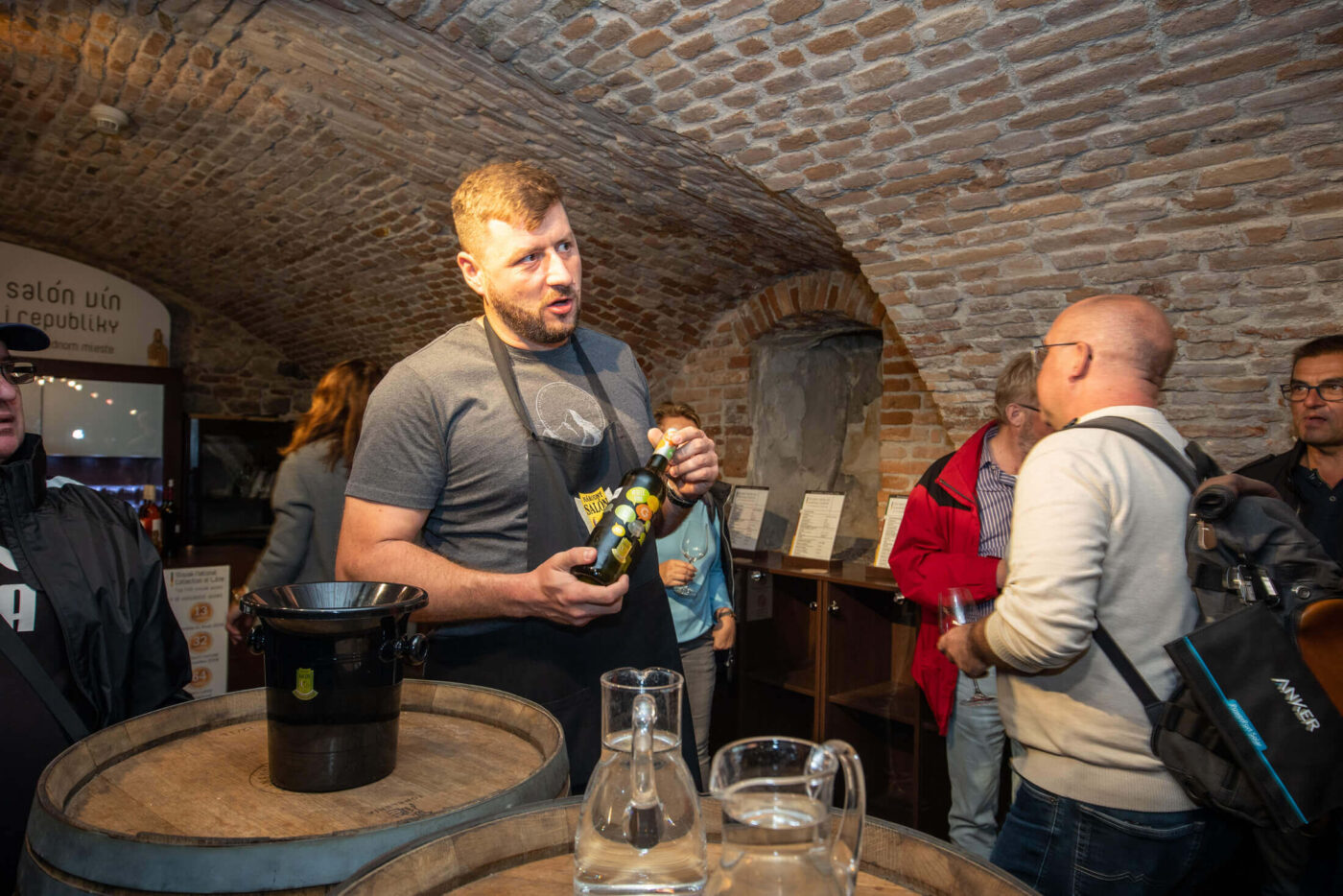
Wine tasting in Bratislava by Bratislava City Tours
Bratislava City Tours offer two types of wine tasting:
- Bratislava: Slovak Wine Tasting in the Old Town – a self-guided tasting of four wines from a small producer in Limbach. Limbach is a village located near Bratislava on the Small Carpathian Wine Road. Guests will taste one sample of red wine, one white, one sparkling, and one rosé, accompanied by a small snack. The wine tasting is available in English, German, and Spanish.
- Wine Tasting with Sommelier in Bratislava – a guided tasting with English speaking sommelier. The Slovak National Saloon of wine is located in a cellar of Apponyi Palace. You can choose a tasting of 3 wines (from €19), 5 wines (from €28), or go all-in with 80 wines across all six regions in 100 minutes (from €48). Your sommelier will walk you through the sensory properties of each wine — the aromas, the structure, the story of where it comes from — and answer any questions you have along the way.
Five things to know before your first Slovak wine tasting
- Slovakia is a white wine country. Around two-thirds of production is white wine. If you only drink red, you can absolutely find great reds here — but expect to be pleasantly surprised by the whites.
- The wines are not sugary. This is a common assumption from visitors who associate Eastern Europe with sweet wine. The vast majority of Slovak wine is dry, crisp, and mineral.
- Prices are exceptional. Because the wines don’t need to survive export logistics or international markups, you can access genuinely high-quality wine at prices that would be unthinkable in London, Paris, or New York. You can buy a fine wine also at the local grocery as Billa, Lidl or Tesco.
- Tokaj is shared. The famous Tokaj wine region spans both Hungary and Slovakia. Slovak Tokaj wines have full legal rights to the designation and use the same grape varieties and methods as their Hungarian counterparts.
- The sommeliers are genuinely knowledgeable. Wine education is taken seriously in Slovakia. The person guiding your tasting will likely know individual producers, vintages, and vineyard plots in detail. Ask questions — they’ll enjoy them.
FAQ: Slovak Wine in Bratislava
Yes—much better than most people expect. Slovakia isn’t famous internationally, but the quality is surprisingly high, especially for white wines. Many wines win awards abroad, they just rarely get exported.
Mostly dry white wines. Expect fresh, crisp, mineral-driven styles like Grüner Veltliner or Welschriesling. You might also try a light red, a rosé, or even sparkling wine.
Not really. Most wines you’ll taste in Bratislava are dry. Sweet wines exist—mainly from the Tokaj region—but they’re usually clearly labeled and served separately
Not at all. Tastings are very relaxed and beginner-friendly. Knowing a couple of grape names helps, but the sommelier will explain everything in a simple way.
Because it’s something different. You’re tasting wines that are mostly consumed locally, often from small producers. It’s a more authentic and less commercial experience.